Bad Tenants: How to Identify Red Flags Before Signing Lease
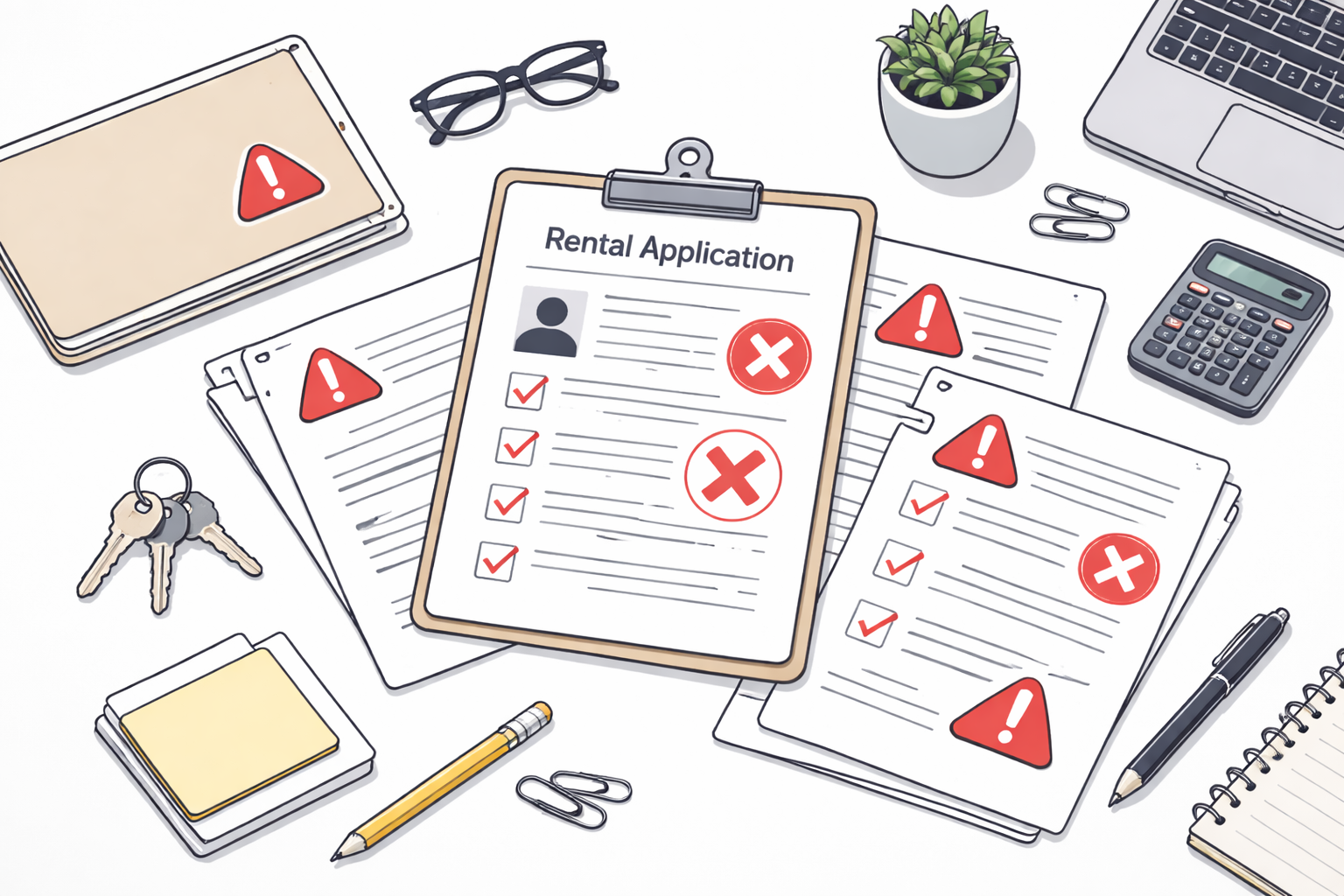
Bad tenants reveal themselves before you ever sign a lease—if you know what to look for. Immediate move-in requests signal possible eviction from their current place, aggressive rent bargaining shows disrespect that will continue throughout tenancy, cash-only payment preferences indicate frozen bank accounts, and vague answers about occupants suggest unauthorized subletting plans. Recognizing these patterns during initial interactions prevents costly mistakes. For a complete systematic approach to screening tenants on your own, including interview questions and document verification, see our guide to screening tenants without an agent.
Key Takeaways
- Two types of bad tenants exist: Obvious ones display rudeness upfront; less obvious ones seem pleasant initially but become difficult after move-in
- Immediate move-in urgency is the biggest red flag: Tenants needing to move "tomorrow" are likely fleeing eviction or defaulting on current rent
- Aggressive bargaining signals future behavior: Tenants who lowball asking rent or negotiate disrespectfully show how they'll act when issues arise
- Cash-only payments hide problems: Unless genuinely new arrivals, cash preference indicates frozen accounts or illicit income sources
- Vague occupant details mean unauthorized subletting: Refusing to specify who will live there suggests plans to exceed occupancy limits
- Trust your instincts when something feels off: Your gut recognizes patterns your conscious mind hasn't processed yet
The Two Categories of Bad Tenants
Not all bad tenants announce themselves the same way. Understanding these patterns helps you catch problems before they start.
Obviously Bad Tenants
An obviously bad tenant makes identification easy. They're rude, arrogant, disrespectful, demanding, or unreasonable during initial engagement and negotiations.
This type makes unreasonable demands—two months rent-free for a one-year lease despite no renovation plans. They refuse to compromise even after you've given ground on some conditions.
Example: Tenant insists on discounted rent for one year. You accept. Then they demand you renovate the property according to their design and provide brand new furniture.
When you encounter an obviously bad tenant, walk away. Vacancy costs less than the damage they'll cause.
Less Obvious Bad Tenants
A less obvious bad tenant seems pleasant during viewings. No unreasonable requests. Friendly demeanor. Agrees to terms without fuss.
After move-in, this tenant starts finding fault with everything. They become demanding and unreasonable. This often happens when lease terms weren't explained clearly, though they agreed to everything upfront.
This category is harder to catch. Your defense is ironclad documentation and crystal-clear communication about every term before signing.
Immediate Move-In Urgency
The tenant views your property today and wants to move in tomorrow or "as soon as possible." This is the clearest warning sign.
People with stable housing plan moves weeks or months ahead. Urgent requests signal three problems:
Eviction by current landlord. When evicted, tenants have few options and will agree to almost any terms just to secure housing quickly.
Defaulting on current rent. They're escaping one bad situation by creating another at your property.
Family or personal crisis. Sometimes legitimate—but verify with documentation.
A homeowner in Seattle rented his house to make extra money for pilot school. The tenant stopped paying rent immediately and listed the basement on Airbnb using a fraudulent license. By the time court proceedings resolved, the tenant owed $33,400 while the homeowner lived in his van.
For first-time arrivals staying in hotels, one to two weeks is reasonable. For existing residents, anything less than two weeks signals problems. For more on protecting yourself from urgent move-in requests, see our guide to good faith deposits for Singapore landlords.
Aggressive Bargaining Behavior
How someone treats you during negotiations predicts behavior throughout tenancy. Aggressive bargaining isn't reasonable negotiation.
Reasonable: "Would you consider $1,900 instead of $2,000?"
Aggressive: "Your place isn't worth $2,000. I'll pay $1,500 and not a dollar more."
The aggressive tenant views you as someone to extract maximum value from, not a partner in a mutually beneficial arrangement. This attitude worsens when rent comes due or maintenance issues arise.
Set clear expectations upfront. When tenants cross into disrespectful territory, end the conversation and move to the next applicant.
Cash-Only Payment Preference
The tenant insists on cash for security deposit and rent, refusing bank transfer, PayNow, or GIRO despite these being more convenient.
Legitimate tenants with regular employment have bank accounts. Why refuse electronic methods that take seconds and create automatic records?
Frozen or terminated bank accounts explain most cash-only requests. Banks freeze accounts when customers owe money or use accounts for illicit activities. For detailed guidance on acceptable payment methods and deposit clearance, see our guide to good faith deposits for Singapore landlords.
Money laundering concerns are real. Large unexplained cash flows put you under scrutiny if authorities investigate your tenant.
The exception: Genuinely new arrivals who haven't opened local accounts yet. They should switch to electronic payments within two to three weeks.
Specify in advertisements: "Payment by bank transfer, PayNow, or GIRO only. Cash payments not accepted."
Vague Occupant Details
The tenant won't specify exactly who will live in the property or changes their story between viewing and signing.
Watch for:
- "Just me... maybe a friend sometimes"
- "Two or three people, depends"
- Originally says "just me," later mentions a partner, then adds "maybe my cousin"
- Refuses to provide full names for all occupants
Tenants planning unauthorized subletting need to keep details vague. If they commit to specific names, you'll know immediately when they violate the lease.
Require exact occupant details before signing. Full names matching identity documents for everyone. Document this in the lease with unauthorized occupants as grounds for immediate termination.
Refusing to Show Original Documents
The tenant provides photocopies or screenshots but refuses to show originals for verification.
Refusing originals suggests forged papers, using someone else's documents, expired passes, or mismatched photos.
Make viewing originals mandatory. For work passes, use the SG Work Pass app to verify the FIN in real-time. For student passes and LTVPs, verify through ICA's website.
If a tenant refuses or fails verification, do not proceed. Report suspicious cases to authorities.
Inconsistent Information
The information provided doesn't match what you verify, or the tenant gives different answers to the same question.
Common inconsistencies:
- Verbal employment at Company X, verification shows Company Y
- Claims never rented before, appears on problem tenant databases
- Different income amounts verbally versus on payslips
- Changing explanations for why they're moving
Verify everything. Call employers using numbers you look up independently. Check online for reports about the tenant. Request previous tenancy agreements.
When you catch a lie, disqualify immediately. Honesty violations are non-negotiable.
Chronic Lateness for Viewings
The tenant misses viewings without notice, arrives 30+ minutes late repeatedly, or cancels at last minute multiple times.
How tenants respect your time predicts how they'll respect lease obligations. Late arrivals translate into late rent and missed appointments.
Give one chance for genuine emergencies. Beyond that, move on.
Protecting Yourself
Set clear criteria upfront. Minimum income, required documents, acceptable payment methods, move-in timeline. Apply consistently.
Document everything. Save every message. Note conversation dates. This protects you if disputes arise.
Consult comprehensive guides. For detailed screening and management strategies, see our complete problem tenants guide. For a structured end-to-end approach to evaluating every applicant, see the complete guide to tenant screening in Singapore.
Trust your instincts. When everything checks out on paper but something still feels off, choose the next applicant. Your subconscious picks up subtle cues.
Frequently Asked Questions
Can I legally reject applicants who insist on cash payments?
Yes. Your tenancy agreement specifies acceptable payment methods. Requiring electronic payments only protects both parties through documented transactions.
What if a tenant seems demanding but has perfect references?
Demanding behavior during negotiations predicts demanding behavior during tenancy. Perfect paperwork doesn't override personality red flags. Choose applicants who are both financially qualified AND pleasant to work with.
How do I verify if urgent move-in requests are legitimate?
Ask for documentation. Job relocations have offer letters. New arrivals have passport entry stamps and hotel bookings. Vague or defensive responses without documentation confirm the red flag.
Should I accept a tenant with one red flag?
Depends on severity. One documented lateness? Probably fine. Cash-only insistence despite living locally for years? Major red flag that disqualifies regardless of other factors.
What if I've already signed and now notice red flags?
Document everything from this point forward. Enforce lease terms strictly—late fees, property condition documentation, no violation tolerance. If problems escalate, see our tenant not paying rent guide.
Can I ask if they've been evicted before?
Yes. Rental history is fair game. You cannot discriminate based on race, religion, or nationality—but asking about evictions and reasons for leaving previous properties is legal and important.
The Bottom Line
Bad tenants signal future behavior during initial interactions—immediate move-in urgency, aggressive bargaining, cash preferences, vague occupant details, document reluctance, and chronic lateness all predict problems.
The obviously bad tenant makes identification easy through rude behavior. The less obvious tenant acts pleasant initially but becomes difficult after signing.
Screen thoroughly, verify everything, document interactions, and trust red flags. A few extra weeks finding the right tenant costs far less than months dealing with someone requiring legal eviction.
Tenant Griffin maintains a database of reported problem tenants in Singapore and Malaysia, helping landlords avoid renters with documented histories of non-payment, property damage, or lease violations. Learn more at Tenant Griffin.