Late Rental Payment: What Can You Do?

Once in a while, a tenant may pay rent late due to various reasons. However, it should not become a habit, especially when rent is consistently long-overdue. What do you do when your tenant consistently delays rental payment, and you have to chase after them for payment month after month?
Late Payment Fees
Every tenancy agreement has a clause that allows the landlord to charge a late payment fee or interest, or both, to the tenant on overdue rent. While you may want to be perceived as a pleasant landlord to work with, you don't want your tenant to take you for granted and treat you like a pushover.
It is of utmost importance that you, as a landlord, enforce the covenants timely and appropriately on your tenant should they choose to breach any of them. You may give warnings to your tenant and waive any penalty applicable, but you should never keep mum and let your tenant off the hook when they breach certain clauses in the tenancy agreement.
Therefore, it is important that after giving sufficient warnings, you start charging your tenant late interest on overdue rent if they disregard all your prior warnings and continue to pay rent late.
Are Tenants Taking Advantage of Landlords?
Thus, you want to take appropriate action against your tenant should they continue to breach the covenant on the tenancy agreement after you have given them warning. This way, your tenant will know that you are not a landlord to be trifled with. Your tenant will think twice if they want to pull a fast one on you.
During the COVID-19 pandemic, the government necessitates all landlords to pass on the property tax rebate to their tenants. While you have a legal obligation to pass on the property tax rebate to your tenant, you may choose to withhold the rebate to your tenant on the premise that they delay rental payment to you not as a result of the impact of COVID-19 on their business.
If you feel that you have a bad tenant, then you should not offset any reliefs, subsidies, benefits or goodwill in full against your tenant's rent. You should spread the full amount over a few months to minimise your risk exposure.
Conclusion
As you can see, it is important for you to have a good tenancy agreement that offers you options of recourse should your tenant decide to turn rogue. However, it is paramount that you also enforce the covenants of the tenancy agreement on your tenant decisively without delay, especially on rental payment.
Related articles

Problem Tenants Singapore: Complete Landlord Guide (2026)
Identify, manage, and legally handle difficult tenant situations in Singapore. Steps for late payments, property damage, lease violations, eviction.

Can I Evict a Tenant Without Going to Court in Singapore?
Yes, if your tenant cooperates. Learn when court-free eviction works, when to file legal proceedings, and how to get tenants to leave voluntarily in Singapore.

5 Things To Do When Tenant Stopped Paying Rent
Discover practical steps to handle rental payment defaults - from diplomatic approaches to legal actions when tenants stop paying rent.
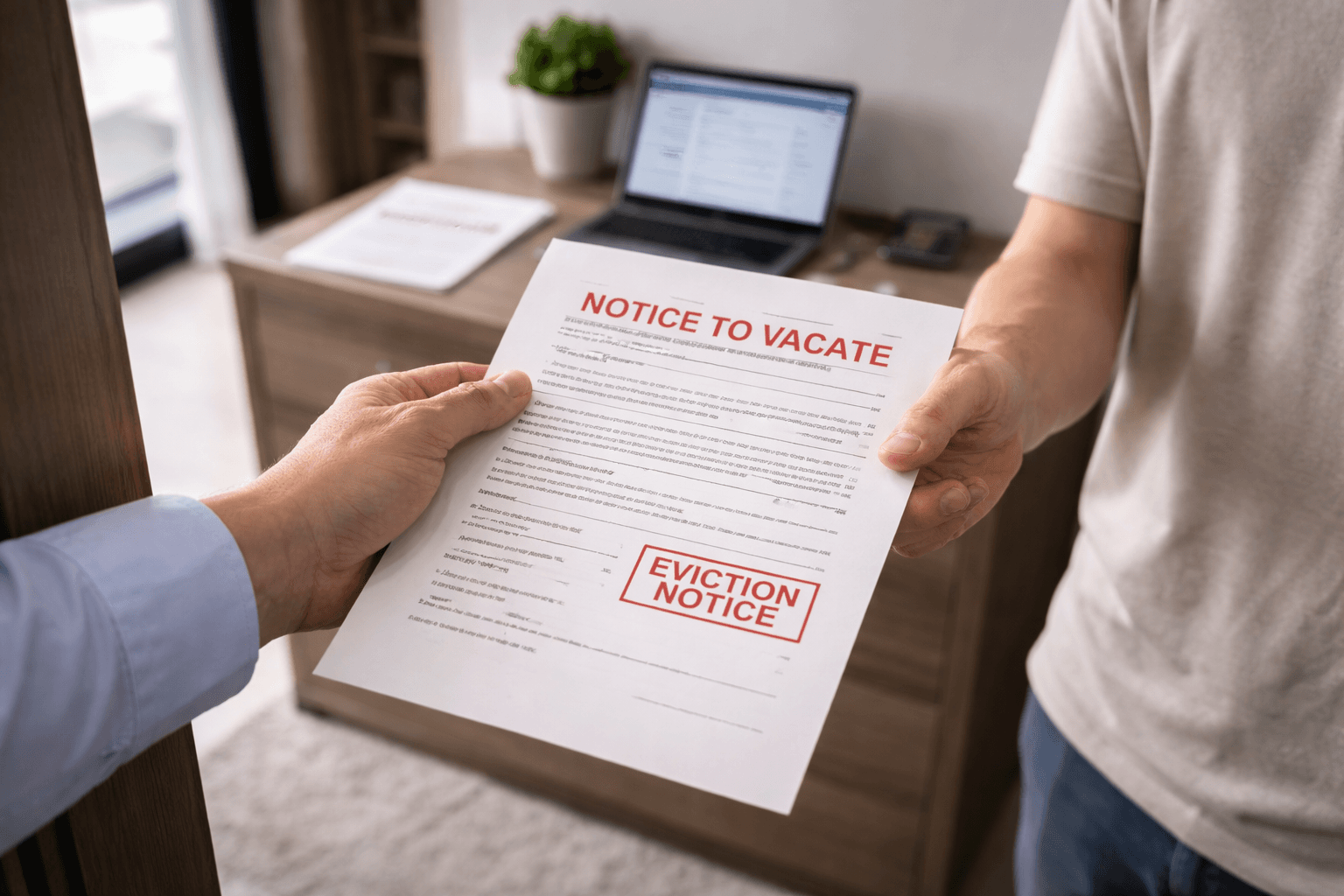
How to Evict a Tenant in Singapore (Process, Costs, Timeline)
Singapore eviction requires notice, court filing, sheriff witness. Takes 2-9 months, costs $10K-15K. Never change locks yourself or face charges.